
Most of the conversation about blood pressure and food centers on sodium. Potassium gets less attention, even though the two work as a pair. These are the questions I hear most often about it.
What does potassium do for blood pressure?
Potassium helps your kidneys flush sodium out through urine and eases tension in the walls of your blood vessels. Both effects lower the pressure your heart has to push against. That is the reason the DASH eating pattern is built around vegetables, fruit, beans and low fat dairy.
How much do adults need?
The National Academies set an adequate intake of 2,600 mg a day for women and 3,400 mg for men. Most American adults fall short of that number.
Which foods are good sources?
- A medium baked potato with the skin, about 900 mg
- One cup of cooked white beans, about 1,000 mg
- One cup of cooked spinach, about 840 mg
- A cup of plain yogurt, about 500 mg
- A medium banana, about 420 mg
Bananas get the credit, but beans, potatoes and leafy greens beat them. If you want a simple way to work more of these in, the Peach Banana Green Smoothie pairs a banana with greens in one glass.
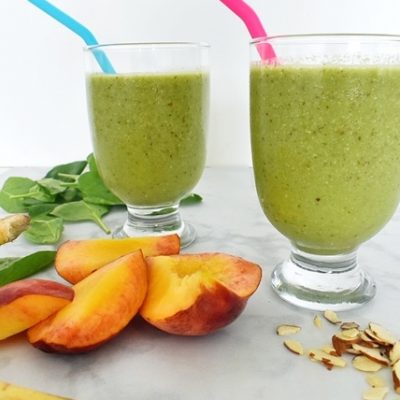
What a high potassium day can look like
Breakfast is plain yogurt with berries and a banana. Lunch is bean and vegetable soup made with low sodium broth. Dinner is fish with a baked potato, skin on, and steamed spinach. That day lands well above 3,000 mg of potassium with very little effort and almost no added salt.
Does eating more potassium cancel out a salty diet?
It helps, but it does not erase the effect. Both numbers matter. Lowering sodium and raising potassium together does more for blood pressure than either one alone, and the foods that are high in potassium tend to be the same minimally processed foods that are low in sodium. The foods in 8 Amazing Heart-Healthy Foods to Add to Your Diet Now are a good starting point.
Should I use a salt substitute or a supplement?
Ask your doctor first. Most salt substitutes are made with potassium chloride. People with kidney disease, and people who take ACE inhibitors, ARBs or potassium-sparing diuretics, can build up too much potassium in the blood, which is dangerous. A food-first approach is safer for most people than adding a supplement on your own.
This is general nutrition information and not medical advice. Your own potassium target depends on your health history and medications, so check in with your doctor or a registered dietitian before changing it.