
Packaged and restaurant foods supply most of the sodium in the American diet, more than 70 percent according to the American Heart Association. That makes the grocery store the best place to lower your intake. Here is the list I hand to clients, arranged in the order most stores are laid out so you are not doubling back for one item.
Produce
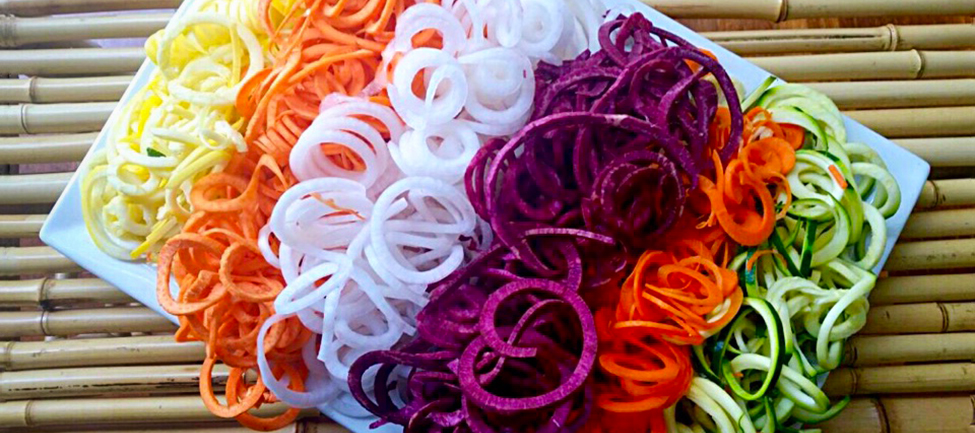
Fresh vegetables and fruit are naturally low in sodium, so fill the cart here first. Frozen vegetables work just as well as fresh, as long as the bag says plain vegetables and there is no sauce packet. Skip anything pickled or brined, including olives, sauerkraut and jarred peppers.
Dairy and eggs
Plain yogurt, milk and eggs are easy wins. Cheese is the one to watch. Swiss, fresh mozzarella and ricotta run lower than feta, processed slices and cottage cheese, which can reach 350 to 450 mg in half a cup.
Meat and seafood
Fresh chicken, turkey, fish and lean cuts of beef or pork are your base. Read poultry labels for the words solution added or enhanced, which means a salt water mix was injected. Deli meat, bacon, sausage and hot dogs are the heaviest sodium sources in this section, so treat them as an occasional food.
Center aisles
- Canned beans, tomatoes and vegetables labeled no salt added
- Unsalted nuts and seeds
- Oats, brown rice, quinoa and whole grain pasta
- Low sodium broth, since regular broth often has 800 mg or more per cup
- Olive oil and vinegars for dressing, instead of bottled dressing
Many of the foods in 8 Amazing Heart-Healthy Foods to Add to Your Diet Now live in this part of the store.
Bread and frozen
A single slice of bread can carry anywhere from 80 to 230 mg, so compare two loaves before you buy. In the freezer, look for plain fish fillets, unbreaded chicken breasts and frozen fruit. Frozen meals are the exception. Most run over 600 mg per serving, so check before you commit.
Condiments and sauces
Ketchup, soy sauce, bottled dressing and barbecue sauce are where a lot of sodium hides. Regular soy sauce has close to 900 mg in one tablespoon, and two tablespoons of bottled ranch can add 250 mg or more. Look for lower sodium versions, and measure with a spoon instead of pouring so you know what you are using.
One last stop: the spice shelf
Pepper, garlic powder, onion powder, smoked paprika and dried herbs cost very little and take the place of the salt shaker. Stay away from anything that says garlic salt or seasoned salt. If you plan your week around this list, Meal Planning for Unorganized Folks shows how to turn it into dinners.